
As third-party cookies become less popular and privacy concerns grow across markets, the internet marketing landscape is changing. Instead of reacting to the “end of cookies,” savvy brands are using this time to establish long-term first-party and zero-party data plans that will help them better understand their customers, build closer relationships, and gain a significant competitive edge in 2026.
This blog article discusses how to build a useful first-party data strategy, what cookieless marketing will look like in 2026, and how Dandah Digital can help businesses expand through comprehensive SEO, e-commerce advertising, and AI-enhanced Google Ads paid media campaigns.
For decades, digital advertising relied on third-party cookies. Still, they were always built on shaky ground: they tracked a lot of information, lacked strong consent, and were overly dependent on browser restrictions. As privacy-first analytics, rules, and browser controls tighten, using these old approaches is no longer possible, both technically and ethically. It is time to transition to a first-party data strategy that protects privacy and boosts performance. This is especially important, as cookieless marketing will be the standard by 2026.
Dandah Digital helps brands make this change by encouraging them to stop using Facebook Pixel and other third-party trackers and instead design systems that collect, interpret, and use their own authorized data. Clients gain a clearer understanding of their audience and a strategic edge over competitors who still rely on outdated models by leveraging AI in ads, content writing, gated content, server-side tracking, and privacy-first analytics.
What’s Really Changing: Cookieless Marketing in 2026?
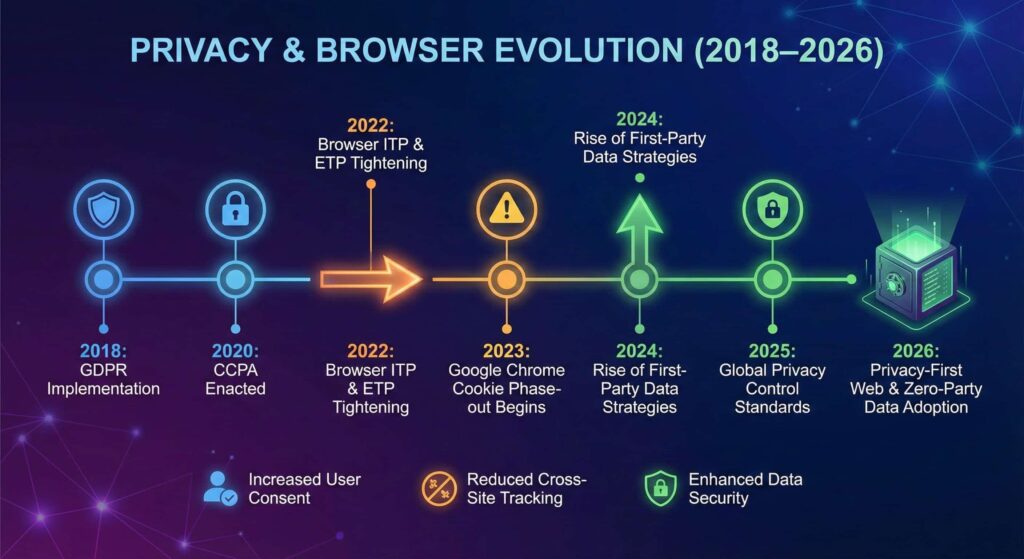
In 2026, cookieless marketing will not eliminate data collection. Instead, it will provide more accurate and transparent data directly from consumers. As browsers restrict cross-site tracking and regulations like GDPR and CCPA require explicit consent, consumers are increasingly aware of data practices. As a result, third-party cookies will become less effective, identity resolution will depend on first-party data, and companies that do not adapt will experience analytics gaps, reduced targeting effectiveness, and higher customer acquisition costs.
Rather than relying on third-party audience data, you will build a privacy-focused analytics system using first-party and zero-party data. This shift affects all aspects of digital marketing, including SEO, landing page creation, audience generation for PPC ads, AI-driven Google Ads campaigns, social media ad targeting, and ROI analysis using customer data platforms. Brands that adapt early will benefit from clearer data, increased trust, and improved PPC advertising performance.
First-Party Data Strategy: The New Growth Engine
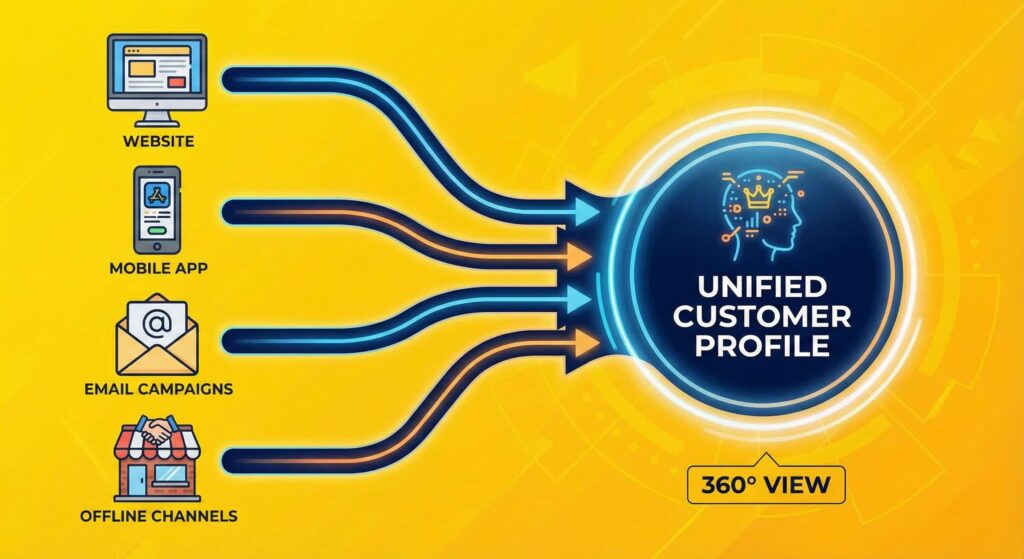
A first-party data strategy shows you how to obtain, store, and use data that you get directly from your customers and visitors. That covers everything customers do on your website, app, email, e-commerce site, and gated content, including clicks, purchases, form submissions, surveys, and customer care calls. First-party data is no longer just a by-product of campaigns; it is now the primary asset driving personalization, measurement, and long-term retention.
In the context of Google Ads for local search and AI-driven optimization, first-party data is direct, owned customer information (behavior, demographics, purchases) used to understand users more deeply, personalize content, create better experiences, and improve rankings by meeting real intent.
If done correctly, this approach also naturally encourages zero-party data collection, which is information that customers give on purpose about their goals, preferences, and problems. People will share useful information if you ask the right questions at the right time and connect them to relevant experiences. They see a clear advantage in return.
Pro Tip: Your company’s valuation in 2026 depends on the data it owns. Prioritize getting users to “log in” over anonymous traffic to build a balance sheet asset, not just a mailing list.
First-Party Data vs Third-Party Cookies in 2026
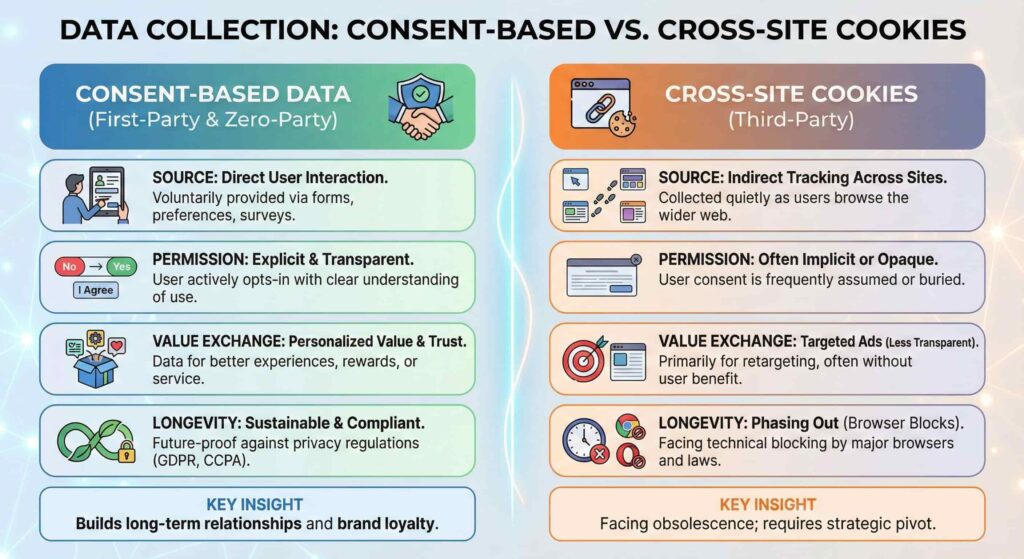
First-party data is based on permission, connected to real relationships, and completely owned by your brand. Third-party cookies, on the other hand, are anonymous identifiers placed on users’ browsers as they visit different sites, often without their clear understanding or permission. By 2026, the use of third-party cookies is expected to decline rapidly for both technical and legal reasons, while first-party data is becoming the norm.
From a local SEO perspective, First-party data enables local businesses to move beyond generic “near me” targeting toward highly localized relevance that AI search engines prioritize.
In 2026, first-party data (1PD) is the cornerstone of E-commerce SEO, driven by a shift toward generative search engines and a “privacy-first” web. As AI-driven platforms like Google’s AI Overviews and ChatGPT become primary product discovery tools, businesses must use 1PD to transition from “ranking #1” to being the “trusted source of truth” that AI systems cite.
First-party data also performs better. It is more accurate, lasts longer, and is easier to link to real results, such as revenue, customer lifetime value, and churn. When you use identity resolution tools, strong first-party data helps you connect customer journeys across devices and channels without relying on invasive cross-site tracking.
For now, Dandah Digital is helping clients remodel how they acquire users using first-party data. Instead of relying heavily on third-party cookies for e-commerce PPC ads and paid social, Dandah, an AI marketing and advertising firm, creates funnels that leverage SEO and AI content optimization, Google Ads for e-commerce, and social media advertising to drive opt-ins. In the long run, it builds a proprietary audience that grows over time, and clients retain control, allowing them to retarget and nurture these users without being subject to platform changes.
Zero-Party Data Collection: Asking the Right Questions

People share their zero-party data when they believe it will benefit them. That might include virtual quizzes, onboarding surveys, industry assessments, or preference centers where users tell you what they want to learn, purchase, or accomplish. This is the best kind of data to have, because it goes straight to the heart: what problems people need help with, what types of solutions they prefer, and what kinds of material please them most.
When worded correctly, these experiences improve the consumer journey rather than elicit the sense that they’re being interrogated. Under interrogation. For example, consider a quiz titled ‘Find the Best Solution for Your Business in 60 Seconds.’ Own it and make it of value. Create a landing page with SEO-optimized copy that promises value in exchange.
Dandah Digital creates AI-powered interactive experiences that seamlessly collect zero-party data. For SEO, high-intent blog posts and guides direct users to quizzes or calculators that identify preferences and pain points. In e-commerce, PPC advertising search campaigns drive users to tailored landing pages with relevant assessments to increase conversion rates. On social media, interactive polls and lead forms segment audiences by interest. These strategies enable precise, cookie-free targeting and improve campaign performance.
AI, Gated Content, and Cookieless Lead Generation
How do I get first-party data without cookies?” is one of the most useful questions marketers are asking right now. Gated content is still one of the finest answers when done carefully. Modern gated content includes individualized reports, benchmarks, calculators, templates, and brief action plans, rather than generic PDFs. These assets are designed to match user needs, as identified through SEO and contextual advertising.
AI in PPC bidding and content creation is critical to scaling this approach. They help create content versions tailored to diverse industries, roles, and levels of awareness. They can also change copy, headlines, and recommendations in real time. This makes your gated offers more useful, which means that more people will complete your forms and you will get better first-party data.
Dandah Digital uses AI to build and optimize gated content funnels for SEO, PPC, and social media. They target long-tail search queries such as “how to collect first-party data without cookies” and link them to gated assets. Google ads and AI-driven social media ads focus on high-intent searches for cookieless lead generation, while short, story-driven social posts promote offers to segmented audiences. This creates a steady stream of consented leads without third-party tracking.
Pro Tip: Don’t just target with AI; train it. Feed ad platforms your proprietary Customer Lifetime Value (CLV) data to force algorithms to bid on actual profit, not just cheap clicks.
Privacy-First Analytics and Server-Side Tracking
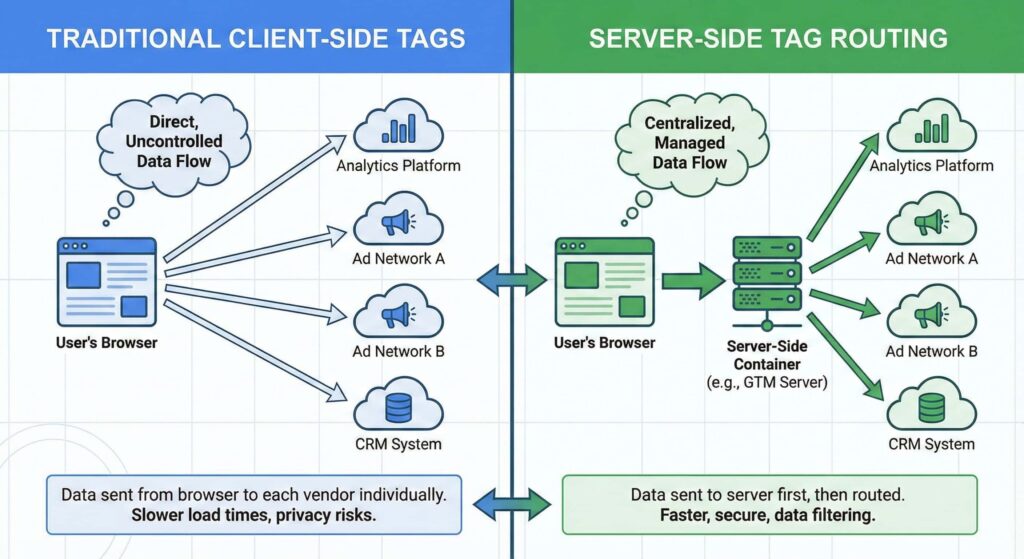
Privacy-first analytics is about measuring what matters while complying with the law and respecting user choices. This entails obtaining clear permission, collecting as little data as possible, combining data where possible, and sharing it with third parties only when necessary. It also involves investing in technologies and methods that improve accuracy without invading people’s privacy.
Server-side tracking is one of the most important technical improvements here. With server-side Google Tag Manager and similar solutions, event data is first sent to your server for cleaning, then forwarded to analytics and ad providers. This method reduces data loss from ad blockers, improves site speed, and gives you greater control over what is retained and transmitted, which is important for privacy compliance.
Another important part is Google Consent Mode v2. It changes how tags work based on whether you give your permission, and it uses modeling to estimate conversions when full tracking isn’t possible. Consent Mode and server-side tracking are the two main parts of a modern analytics stack that puts privacy first.
Pro Tip: Client-side tracking loses ~30% of data to ad blockers. Switch to Server-Side tracking immediately; it’s not an IT expense, it’s instant revenue reclamation.
Identity Resolution, Data Clean Rooms, and CDP ROI
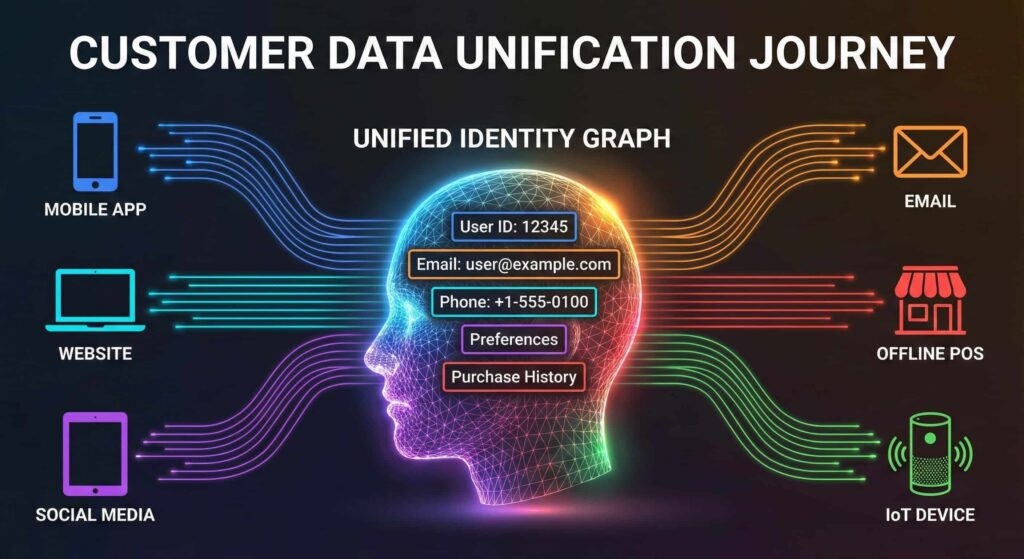
In a cookieless environment, identity resolution solutions enable you to stitch together fragmented first-party data points into unified customer views. Insulated from cookies that can track users across the web, identity graphs use durable identifiers, such as email addresses, logins, phone numbers, or loyalty IDs, that are always rooted in consent. This helps you recognize the same person across devices, channels, and sessions so you can tailor their experience.
Data clean rooms for retail and B2B e-commerce portals, as well as along AI B2B lead-generation use cases, are also growing. Clean rooms also let you match your first-party data with a partner or platform without ever exposing raw records, with results emerging only as “courses” of data on the other side, thanks to privacy-enhancing technologies such as encryption and secure computation. That keeps personalization and attribution alive, within the limits of rules and ethics.
Customer Data Platforms aggregate first-party data, connect to ad platforms, enable segmentation, and drive personalized journeys at scale. And when combined with identity resolution and clean room partnerships, they form the operational core of a modern first-party data strategy.
Contextual Advertising Strategies in a Cookieless Future
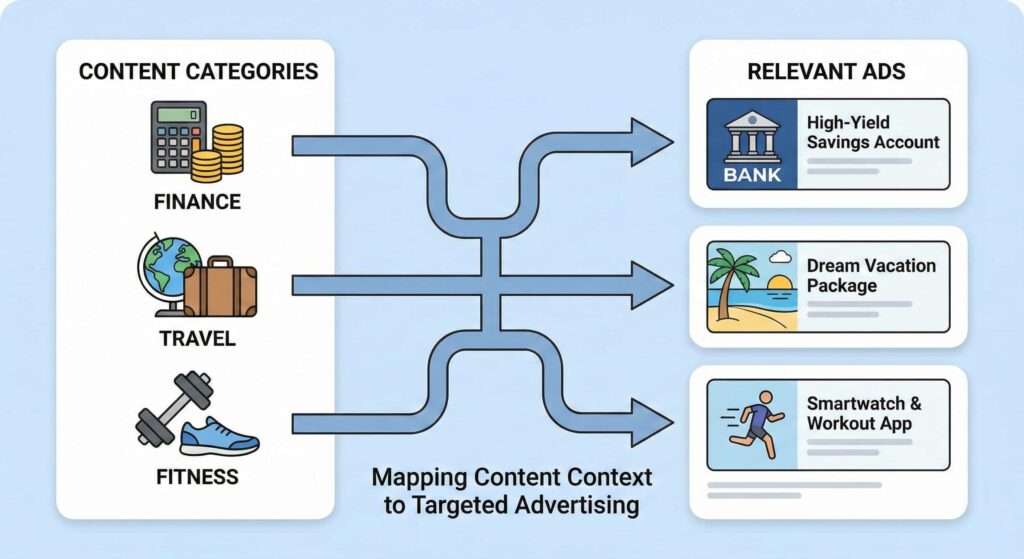
Contextual advertising is making a comeback as third-party cookies disappear. Rather than targeting people based on their browsing history, these systems place ads that match the page’s topic, mood, and layout. For example, a guide on server-side tagging and privacy compliance might show ads for analytics consulting or consent management tools. These ads are highly relevant and do not require personal data.
Thanks to better language understanding, contextual advertising now goes beyond basic keyword matching. It can distinguish between technical and everyday uses of the same word and can identify pages about new privacy technologies, even when the language changes. When combined with first-party and zero-party data, contextual targeting offers a strong, privacy-friendly way for brands to get noticed and improve results.
Pro Tip: Privacy is the new luxury. Market your strict data protection policies as a premium feature to attract high-net-worth clients who refuse to be tracked.
Building Your 2026 Roadmap with Dandah Digital
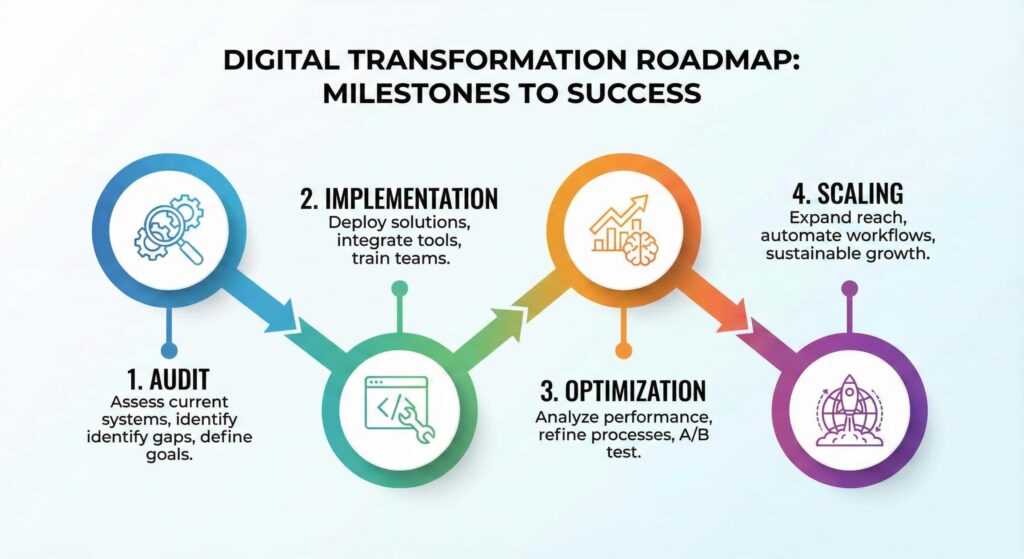
A strong first-party data strategy requires a clear roadmap that addresses technology, content, data governance, and media buying. Key phases include:
- Auditing current tracking, consent, and data flows.
- Implementing privacy-first analytics and server-side monitoring.
- Designing zero-party data journeys and gated content.
- Integrating a Customer Data Platform and identity resolution.
- Rebuilding SEO, e-commerce PPC ads, and social campaigns around first-party audiences.
Dandah Digital supports clients at every stage, ensuring technical decisions drive business results. Our aim is not only compliance, but also a competitive advantage through improved decision-making, optimized ad spends, and a marketing engine that grows stronger with your first-party data.
Work with Dandah Digital: Turn Privacy into Performance

The end of cookies is not the end of performance marketing—it is the beginning of a more honest, resilient, and effective era. Brands that invest now in first-party data strategy, cookieless marketing frameworks, and privacy-first analytics will outperform those that wait until they are forced to change.
Dandah Digital is an AI-driven marketing and advertising firm that helps MNCs and SMEs worldwide make this transition with confidence. Core services include:
- Domestic, local, and international SEO strategies built around first-party intent signals
- Content generation and AI chatbot implementation are designed to capture zero-party data.
- PPC ads on Google, Bing, and Amazon are optimized with server-side tagging and Consent Mode.
- Social media marketing and paid social ads that leverage first-party audiences instead of fragile pixel-based retargeting.
If you are ready to move beyond third-party cookies and build a future-proof, data-driven growth engine, connect with Dandah Digital. Together, you can design a strategy that respects privacy, delights customers, and turns your own data into your most valuable marketing asset.